
You want stunning visuals, you want musical history, you want something worth your money. These ten coffee table books deliver archival photography, premium bindings, and genuine cultural weight, though some sacrifice depth for sheer size.
You’ll find Taschen’s Fleetwood Mac volume, DK’s encyclopedic sweep, and hidden gems like Brother Ernie’s hip-hop photography. But which ones actually earn their shelf space, and which are just pretty paperweights? The answer depends on whether you’re buying for display, for reference, or for the stories between the images.
Rolling Stone: 500 Landmark Albums Companion
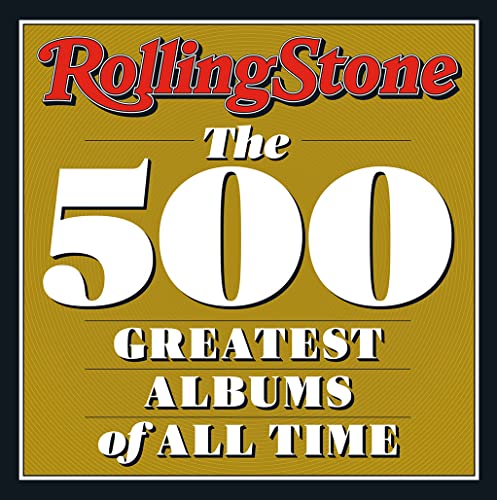
If you’re the type who judges a book by its cover, you’ll want this one face-up on your coffee table. Abrams Books delivers a 256-page hardcover that screams “music nerd cred” without trying too hard.
What You’re Getting
Rolling Stone’s 500 Landmark Albums Companion packs photo-rich spreads, sharp essays, and archival interviews into a tidy package. Released November 2022, it’s built for browsing, not binge-reading.
You’ll flip through landmark album rankings, pause on vintage studio shots, and probably argue with their picks.
The Real Talk
Strengths: Gorgeous photography, authoritative voice, conversation starter guaranteed.
Weaknesses: At 256 pages covering 500 albums, some entries feel thin. You’re buying breadth, not depth.
Who Needs This
You, if you collect vinyl, host casually, or need a gift for someone who says “you’ve probably never heard of them.” Skip it if you want deep criticism or obscure picks, this leans mainstream canon.
Bottom Line
Keep expectations realistic: it’s a companion, not a bible.
Best For: Music enthusiasts who collect vinyl, enjoy hosting guests, or want a visually striking coffee table book that sparks conversation about mainstream landmark albums.
Pros:
- Stunning photography with vintage studio shots and photo-rich spreads
- Authoritative voice from Rolling Stone with archival interviews
- Perfect conversation starter for casual browsing and music debates
Cons:
- Limited depth with thin entries due to covering 500 albums in only 256 pages
- Focuses on mainstream canon rather than obscure or deep-cut selections
- Not suited for readers seeking in-depth music criticism or comprehensive analysis
Recommended Products


Booze & Vinyl: A Spirited Guide to Great Music and Mixed Drinks
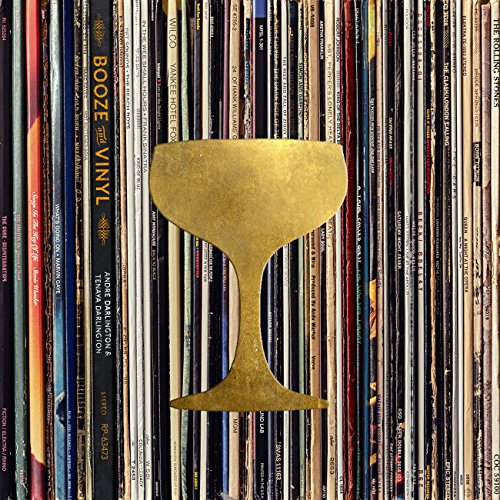
The 224-page count keeps it substantial without overwhelming your coffee table. Running Press Adult delivers this 2018 hardcover that pairs records with recipes in ways you’ll actually use.
What You’re Getting
- Visual appeal: Illustrated format means full-color spreads, not dense text blocks
- Practical structure: Sections cover booze history, drink recipes, and why certain spirits match specific musical eras
- Real utility: You can flip to a jazz chapter, mix a Sazerac, and understand *why* they work together
Who Needs This
Gift buyers hunting for something specific. The recipient must enjoy *both* cocktails and vinyl, not just one. If they only stream music, half the book’s charm evaporates.
The Catch
Published in 2018, so contemporary artists and craft distilleries get short shrift. You’re buying a time capsule, not a current guide.
Bottom Line
It’s fair value for entertaining scenarios. Keep expectations modest: this supplements your bar cart, it doesn’t revolutionize it.
Best For: Vinyl-collecting cocktail enthusiasts who enjoy themed entertaining and appreciate vintage aesthetics over contemporary coverage.
Pros:
- Illustrated format with full-color spreads creates strong visual appeal for coffee table display
- Practical structure connects drink recipes to musical eras with clear explanations of why pairings work
- Functional utility allows immediate use—flip to a genre chapter, mix the corresponding cocktail, and understand the pairing rationale
Cons:
- 2018 publication date means limited coverage of contemporary artists and modern craft distilleries
- Requires dual interest in both vinyl records and cocktails; single-interest readers lose significant value
- Modest scope supplements existing bar knowledge rather than providing comprehensive education or innovation
Recommended Products


Dolly Parton, Songteller: My Life in Lyrics
What You’re Getting
- Format: Unabridged Audible audiobook released November 2020 by Recorded Books
- Runtime: You absorb memoir and music history through audio, not print
- Core appeal: Parton unpacks her creative process, cultural footprint, and personal journey
Strengths: Her narration feels intimate, like she’s confiding secrets between songs. You learn how “Jolene” emerged from a real bank teller. You also discover why “I Will Always Love You” nearly went to Elvis. The audio format suits her storytelling gifts better than static pages.
Weaknesses: You miss visual lyrics and photos standard in coffee table editions. Audiobook exclusivity limits shelf display, bookmarking, and casual flipping.
Ideal buyer: Commuters, multitaskers, or Parton devotees who’ve already seen the pictures. Skip if you want a physical artifact or gift-worthy object.
Verdict: Buy when you prioritize voice over visuals, or grab the print companion for the complete experience.
Best For: Commuters, multitaskers, and Dolly Parton devotees who value intimate storytelling and audio immersion over visual artifacts.
Pros:
- Parton’s narration creates an intimate, confessional atmosphere that print cannot replicate
- Reveals fascinating origin stories behind iconic songs like “Jolene” and “I Will Always Love You”
- Audio format perfectly suits her natural storytelling gifts and charismatic presence
Cons:
- Lacks visual lyrics and photographs included in physical coffee table editions
- Cannot be easily browsed, bookmarked, or displayed as a collectible object
- Audiobook exclusivity prevents casual flipping and reference use
Recommended Products


1000 Record Covers
You’re holding 574 pages, some say 576, of pure visual history. Michael Ochs compiled a massive Taschen hardcover spanning 7.75 by 6 inches of record cover art, and it feels like digging through a crate of someone’s life. The multilingual edition means nobody’s left out, though you’ll mostly stare at pictures anyway.
The compact size surprises you. At roughly 20 by 15 centimeters, it’s smaller than typical coffee table books, so it travels well, stacks easily, and doesn’t dominate your shelf. But that portability costs you: details blur on intricate covers; you’re squinting at Peter Saville’s Factory designs like you’re reading a prescription bottle.
It’s organized chronologically, not thematically, which frustrates if you’re researching specific movements. You flip from punk to jazz to new wave with no roadmap. For pure browsing, though, that chaos works.
The binding holds up to repeated thumbing, 576-page hardcovers often don’t. Taschen knows its audience.
Strengths: Dense visual archive, durable build, global accessibility.
Weaknesses: No context, no essays, chronological chaos, small reproductions.
Ideal user: Someone who already owns 200 records and wants to discover 800 more. Not beginners needing history lessons.
Buy when: You’ve memorized every album in your collection and need fresh hunting targets.
Best For: Vinyl collectors seeking inspiration, art directors stealing ideas, or gift-givers who’ve already exhausted the standard music biography options.
Pros:
- Dense visual archive spanning 1000 record covers for endless browsing and discovery
- Durable hardcover binding that withstands repeated thumbing through 574+ pages
- Compact 7.75″ x 6″ format travels well and stacks easily without dominating shelf space
Cons:
- Small reproductions blur details on intricate cover designs, requiring squinting at complex artwork
- Chronological organization without thematic grouping frustrates research into specific movements
- Complete absence of context, essays, or historical information leaves beginners without guidance
Recommended Products


Music: The Definitive Visual History (DK Definitive Visual Encyclopedias)
Verdict: Worth the shelf space for its utility alone.
Best For: Music enthusiasts, students, and visual learners seeking a comprehensive, illustrated reference guide to music history.
Pros:
- Rich visual content with extensive imagery and infographics that make complex music history accessible
- Comprehensive 480-page coverage spanning diverse genres, eras, and cultural movements
- High-quality hardcover binding and durable construction suitable for frequent reference use
Cons:
- Large format and substantial page count may make it cumbersome for casual reading or travel
- Visual-heavy approach may lack the depth of analysis that text-focused readers prefer
- 2022 publication date means very recent music developments may not be fully covered
Recommended Products


Cocktails - Bartending Guide Quick reference drinks guide
In the Groove: The Vinyl Record and Turntable Revolution
Vinyl isn’t just back; it’s taken over your living room, and this book gets why. Motorbooks’ 192-page hardcover drops you straight into the mechanics and culture driving today’s turntable obsession.
You’ll trace how spinning records evolved from dusty relic to centerpiece audio gear, with enough technical depth to satisfy hardware geeks without losing casual collectors.
The 2023 publication date means you’re getting recent revival history, not outdated nostalgia. At standard coffee table dimensions, it sits heavy enough to signal serious intent but won’t crush your furniture.
Who needs this: Vinyl newcomers seeking context beyond crate-digging tips, or longtime collectors wanting to justify their gear obsession with historical backing.
The catch: It’s a single-volume snapshot, not an exhaustive encyclopedia. Don’t expect deep dives into every turntable model ever manufactured.
Bottom line: Grab it if you’re building a listening space worth showing off. Skip if you already own five books on RIAA equalization curves.
Best For: Vinyl newcomers seeking historical context and cultural grounding for their collection, or longtime collectors wanting a well-designed reference to justify their gear obsession.
Pros:
- Balances technical depth with accessible writing, satisfying hardware enthusiasts without alienating casual readers
- 2023 publication date captures recent revival history rather than outdated nostalgia
- Hardcover format at standard coffee table dimensions signals serious intent while remaining practical for display
Cons:
- Single-volume scope limits exhaustive coverage of turntable models and technical minutiae
- 192 pages may leave advanced collectors wanting deeper dives into specific hardware
- Not suited for readers already extensively versed in RIAA equalization curves and technical audio engineering
Recommended Products
![The Songs Of Bacharach & Costello [Super Deluxe 2 LP/4 CD]](https://m.media-amazon.com/images/I/41+XEm2nVjL._SL500_.jpg)
The Songs of Bacharach & Costello, brings together all of the published songs that Costello has written with Burt Bacharach, celebrating the three decade songwriting partnership between them


Sleek Design: Featuring a sophisticated matte black finish and a minimalist frame, this display shelf elevates your decor. Its premium metal construction brings a contemporary and stylish edge to your living room, office, or creative workspace.
Fleetwood Mac All the Songs: The Story Behind Every Track
This 608-page hardcover breaks down every Fleetwood Mac track you’ve ever hummed, and it’s built for fans who don’t just want the hits, they want the *whole* story.
You’ll dig into how “Go Your Own Way” came together, why “Dreams” hits different, and what drama birthed “The Chain.” Black Dog & Leventhal dropped this in April 2025, and it’s already become the reference book you didn’t know you needed. At 608 pages, it’s thick enough to anchor your coffee table but readable enough to actually crack open.
Who needs this:
- Diehards who’ve memorized *Rumours* front-to-back
- Newcomers wanting context beyond Spotify playlists
- Researchers chasing primary-source details
The catch: It’s not light. You won’t casually toss this in a bag. The hardcover binding means it’ll survive spills, though.
Bottom line: If you’re still buying physical music books in 2026, you’re already committed. This one rewards that commitment. Skip it if you only know “Don’t Stop” from campaign rallies. Grab it if you’ve ever argued about whether Buckingham or Nicks carried the band.
Best For: Dedicated Fleetwood Mac fans, music historians, and researchers seeking comprehensive, track-by-track analysis of the band’s entire catalog in a durable reference format.
Pros:
- Exhaustive 608-page coverage of every Fleetwood Mac song with behind-the-scenes stories and primary-source details
- Durable hardcover binding designed to withstand heavy use and frequent reference
- Accessible writing style that serves both casual newcomers and diehard collectors
Cons:
- Substantial size and weight limit portability for reading on the go
- Niche focus on complete discography may not justify the investment for listeners only interested in greatest hits
Les Paul – 70 Years: The definitive history of rock’s greatest guitar
This 240-page hardcover delivers exactly what its title promises. You’re holding seventy years of the Les Paul’s influence, from solidbody innovation to arena-rock ubiquity, bound in Welbeck’s 2023 release.
You’ll appreciate this if you’re a guitar enthusiast, collector, or rock fan who wants technical depth without getting drowned in engineering jargon. The biographical highlights trace Les Paul the man, the mythmaker.
The technical sections explain why that mahogany body and carved maple top changed everything. Photographs and illustrations fill the pages, making it proper coffee table material.
Drawbacks? It’s niche. You won’t find much criticism here. It’s celebratory, not investigative.
For non-players, some passages drag. Buy this when you want to understand why that single-cutaway silhouette defines electric guitar culture, or when you’re shopping for the player who already owns everything *except* the backstory.
At 240 pages, it’s substantial without overwhelming your shelf space. Skip it if you prefer your music history with sharper edges and more conflict.
Best For: Guitar enthusiasts, collectors, and rock fans seeking a visually rich, celebratory chronicle of the Les Paul’s 70-year cultural impact without getting lost in technical engineering details.
Pros:
- Comprehensive blend of biographical storytelling and accessible technical explanation of the Les Paul’s design innovations
- High-quality photographs and illustrations make it suitable as a coffee table book
- Substantial 240-page hardcover format that covers significant ground without overwhelming shelf space
Cons:
- Uncritical, celebratory tone lacks investigative depth or critical analysis
- Niche focus limits appeal for readers without existing interest in guitars or rock music
- Some technical passages may drag for non-players or casual readers
Recommended Products


Hip Hop at the End of the World: The Photography of Brother Ernie
Brother Ernie didn’t shoot from the sidelines. You’re seeing candid moments: artists before the fame, neighborhoods before gentrification, and culture before corporate packaging. The multicolor printing does justice to his film work.
At 304 pages, it’s substantial without becoming a doorstop.
The Real Talk
This 2018 release comes from Rizzoli’s production quality, and it shows. The binding holds up to repeated browsing. However, if you want extensive text or interviews, look elsewhere. This is photography first, context second.
Who Should Buy
You need this if: you collect hip hop ephemera, you value documentary photography, or you want conversation-starting art books. Skip it if: you prefer digital archives, you need deep historical analysis, or your coffee table’s already crowded.
Bottom Line
It’s a keeper for visual culture enthusiasts. The “end of the world” framing feels dramatic, but Ernie’s lens captured something real and fleeting. Worth the investment if you care about the era.
Best For: Visual culture enthusiasts, documentary photography collectors, and hip hop historians seeking candid, pre-fame imagery of artists and urban neighborhoods before gentrification and corporate packaging.
Pros:
- Candid photography capturing artists before fame and neighborhoods before gentrification
- High-quality Rizzoli production with durable hardcover binding and faithful multicolor film reproduction
- Substantial 304-page format that balances comprehensiveness with browsability
Cons:
- Minimal text or interviews for those seeking deep historical analysis
- Premium price point may deter casual buyers
- Photography-first approach leaves context secondary to visuals
Recommended Products


50 Years of Rolling Stone: Music, Politics & Culture
You flip through 288 pages of Abrams’ hardcover and watch journalism evolve from underground rag to cultural institution. You’ll spot Hunter S. Thompson’s gonzo rants, Annie Leibovitz’s celebrity portraits, and covers that defined generations.
The book celebrates five decades without apologizing for missteps, which you might find rejuvenating or frustrating depending on your patience for legacy media self-congratulation.
Who should buy this: You, if you care how rock criticism became a career, or if you want conversation starters for guests who recognize iconic photography.
The catch: It’s retrospective, not critical. Don’t expect deep analysis of Rolling Stone’s declining relevance or problematic editorial choices.
Bottom line: You’re paying for nostalgia and production value. For music history buffs, that’s fair. For casual browsers, borrow it first.
Best For: Music history enthusiasts, cultural studies readers, and anyone interested in the evolution of rock journalism and iconic photography who values nostalgia and production quality over critical analysis.
Pros:
- Comprehensive visual retrospective featuring legendary contributors like Hunter S. Thompson and Annie Leibovitz
- High-quality illustrated hardcover format suitable for coffee-table display
- Honest about the magazine’s history without whitewashing missteps
Cons:
- Lacks deep critical analysis of Rolling Stone’s declining relevance in modern media
- Avoids substantive examination of problematic editorial choices throughout its history
- Premium pricing may not justify value for casual readers seeking more than nostalgia
Recommended Products


Factors to Consider When Choosing Music Coffee Table Books

You’ll want to weigh visual appeal against genre focus when you’re picking out a music coffee table book that actually earns its spot on your furniture. Size and weight matter more than you’d think, since a 15-pound monster looks impressive but you’ll never flip through it.
Content depth determines whether guests stay intrigued or politely nod and move on. Consider whether you’re after a specific artist, era, or broader survey, because a gorgeous book about jazz won’t satisfy your metalhead friends no matter how striking the photography looks.
Visual Appeal
Visual punch separates the books you’ll actually open from the ones that gather dust. You want photo-rich layouts with high-contrast imagery that pulls your eye across expansive illustration spreads. Hardcover bindings and hefty page counts, 192 to 608 pages, signal premium presence worth displaying.
Multilingual formats and varied typography add decorative flair through color palettes and visual storytelling. You’ll notice how captioned archival photos blend with integrated essays, creating cohesive aesthetic experiences. Thematic design matters: era-specific graphics, bold cover art, and curated album imagery set distinct moods that tie collections together.
Skip flimsy paperbacks. You’re investing in a visual anchor for your space, something guests actually pick up. Check binding quality and print resolution before buying.
Genre Focus
What separates a book you’ll actually read from one that sits pretty on your shelf? Genre focus determines everything: the visual style, the balance between photos and essays, and who the book actually serves.
You’ll find illustrated formats packed with graphics and design elements, while text-heavy volumes lean into timelines and artist interviews. Some books sweep across entire decades; others drill deep into one artist or movement.
Photo-rich, archival-driven titles deliver museum-grade presentation with documentary context. Your intended audience matters here: general fans want accessibility, collectors crave rarity, designers hunt visual inspiration, and scholars need rigorous historical material.
Match the genre focus to your actual habits. Don’t buy a dense academic text if you’ll only flip through pictures, and skip the lightweight photo book if you want substantial reading.
Size And Weight
A book’s physical presence shapes how you’ll actually use it, so don’t ignore the numbers on the spec sheet. You’ll notice heavier volumes, like 576-page tomes, command attention far better than slim 224-page editions. Check the binding: hardcovers with sturdy spines withstand frequent flipping and look sharp on display.
Measure your table space before buying. Books standing 7.5–9 inches tall and 6–9 inches wide can crowd smaller surfaces or dominate minimalist setups. Weight matters too. A hefty book needs stable footing and limits your stacking options. That said, bulkier page counts usually mean bigger, bolder photos. You’ll get visual impact, but you’ll sacrifice portability and flexible arrangement. Balance your priorities: statement piece or practical companion?
Content Depth
How deeply do you want to go? You’ll find photo-heavy anthologies that skim surfaces and dense, essay-packed compendia that dissect history, technique, and cultural impact. Some books nail the sweet spot, blending striking visuals with archival interviews and scholarly essays for multi-layered exploration.
Page count matters: 192 pages might gloss over your favorite album, while 576-page monsters deliver granular analysis you’ll actually use. Watch out for multilingual or heavily illustrated formats; they sacrifice text space for design flair.
Thematic scope shapes everything. Landmark album collections focus on critical context, while visual histories prioritize production details or cultural significance. Match the book’s depth to your curiosity level. Casual fans need different tools than obsessive completists, and you’re paying for every page you won’t read.
Artist Or Era
Once you’ve sorted out how deep you want your book to go, you’ll need to decide who or what you’re actually reading about. Artist-focused books plunge you into one creator’s complete story, their influences, and how their sound changed over time. You’ll find lyric sheets, personal photos, and memorabilia that map their artistic phases.
Era books spread wider, connecting multiple artists, movements, and genres across years. They help you see how punk bled into new wave or how disco shaped hip-hop’s birth. Ask yourself: do you want one person’s full biography or a landscape view of a scene? Check for archival photos, gatefold spreads, and annotated discographies either way. Both formats reward you, but your shelf space deserves the match that fits how you actually listen.
Binding Quality
Because you’ll flip through these books dozens of times, binding quality isn’t some boring detail. It’s what separates a five-year keepsake from a warped, cracked regret.
Grab a hardcover. You’ll feel the difference immediately, that solid heft in your hands when friends pass it around. Check the spine reinforcement and page weight. Thin paper warps fast under coffee table humidity. Sewn bindings lie flat, so you’re not wrestling the book open during double-page spreads of concert photography. Skip anything that fights you.
Print quality matters too. Muddy colors kill the impact of those iconic album covers. Dust jackets aren’t just pretty, they shield against spills and sun fading. You’re buying something to display and actually use, so demand materials that handle both jobs without falling apart.
Price Range
Where do you even start when a music book costs anywhere from twenty bucks to three hundred? You set your budget first, then hunt smart.
What Drives Price
Hardcover, image-heavy titles with premium printing cost more than compact, text-focused editions. Collector-level releases, multilingual volumes, and books packed with archival material or exclusive interviews sit at the top. Publisher prestige matters too: names like Taschen, DK, and Abrams charge extra for licensing and production quality.
Where Your Money Goes
Slipcases, photo-rich layouts, and companion essays add value beyond basic content. A twenty-dollar pick gives you serviceable visuals; three hundred buys museum-quality object.
Bottom Line
You get what you pay for in paper, binding, and bonus material. Decide which extras actually matter to your shelf.
Gift Potential
Budget locked in? Now weigh what makes a music book feel like a real gift, not just a purchase. You’ll want photo-heavy layouts and visual storytelling that grab both music obsessives and design fans. Hardcovers with serious heft, those 192 to 608 page counts, signal you didn’t cheap out.
Multilingual or illustrated editions expand your options when you’re not sure about someone’s reading preferences. Thematic range matters too: history, visual art, genre deep dives cover teenagers, parents, collectors. Watch for reputable publishers putting out definitive or commemorative editions; those carry collector appeal that screams premium choice. Match the book’s visual punch and physical substance to your recipient’s shelf, not just their Spotify history.