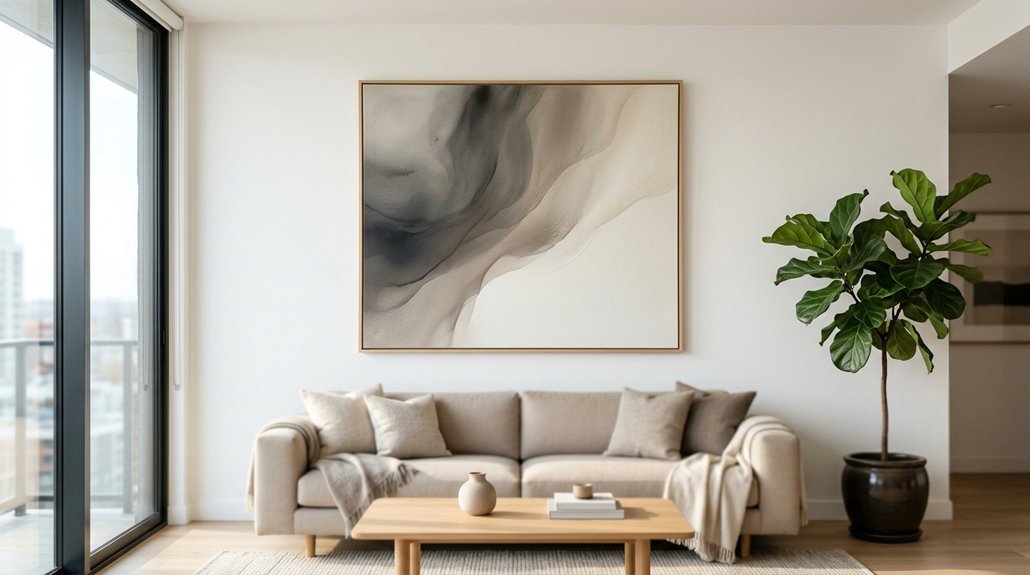
You walk into a room and something feels off, but you can’t name it. Nine times out of ten, it’s the walls. They’re either naked, cluttered, or holding art that fights the space instead of finishing it.
Choosing wall art isn’t about chasing trends or copying gallery layouts you’ve seen online. It’s about knowing your own habits, measuring twice, and understanding why that massive canvas you love might swallow your sofa whole. You’ll need to balance what moves you with what actually works where you live.
The good news? You don’t need a designer’s budget or an art history degree to get it right. You just need a system that starts with honest questions about your space, not your Pinterest board. Before you hang a single nail, there’s one mistake almost everyone makes.
Define Your Style First (Yes, Even Before Measuring)
Before you grab that tape measure or start hunting for frames, you need to figure out what actually speaks to you. Art is deeply personal, and there are zero rules about what you should like. Start by noticing what draws you in when you observe your surroundings, what your eye keeps returning to. Your preferences might lean toward Botanical, Graphic, Abstract, Landscape, or even playful Kids pieces.
Build your art collection around genuine taste, not identity statements. You don’t need gallery credentials or deep pockets; big-box stores work fine. For cohesion, mix styles deliberately: pair abstract with figurative or oils with watercolors. Let one dominant color anchor the room, then choose secondary art hues that complement it. Your style emerges through this intentional process, not forced rules.
Recommended Products

[Framed Wall Art]: This set of 2 contemporary large framed wall art pieces features neutral abstract vertical canvas prints, each measuring 8 x 56 inches. Each painting comes with a sturdy, rust-proof solid wood frame

STRIKING RED AND BLACK CONTRAST: Transform any blank wall into a captivating focal point with this bold abstract canvas print. The interplay of passionate reds against deep blacks creates dramatic visual energy, making this wall art a perfect conversation starter for modern living rooms, entryways, or office spaces.

Canvas wall art size: 48inx24in(120cmx60cm) Please Measure Your Wall Properly And Make Sure You Pick The Right Size
Match Your Art to How the Room Is Actually Used
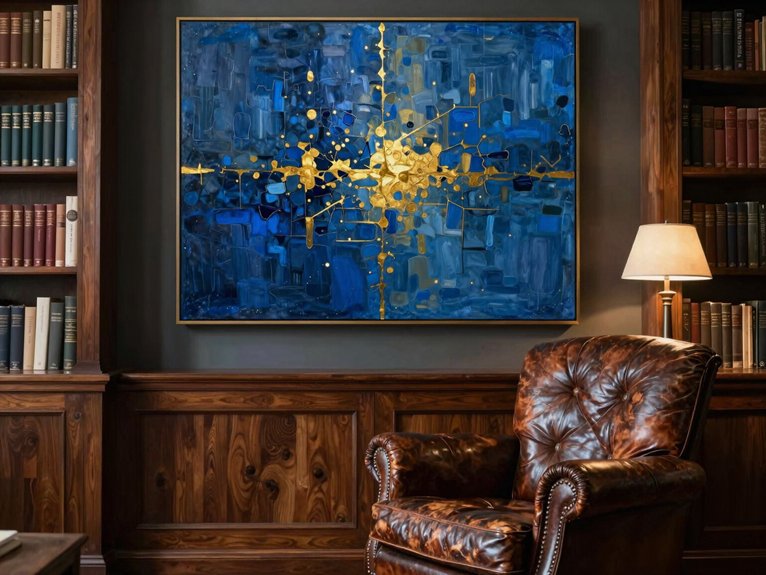
Where exactly do you hang out when you’re winding down versus entertaining friends? Your room use should drive every art decision you make.
Let your room’s purpose steer every art choice you make.
A living room wall demands pieces that spark conversation, so you’ll want bold colors and lively energy that match the social buzz. Your dining room needs art that stimulates appetite and connection, vibrant enough to energize but not so intense it overwhelms.
Consider how mood, scale, and color interaction work with your lighting throughout the day. A piece that pops at noon might disappear by evening.
Bedrooms and bathrooms call for calm palettes that support rest and privacy. Don’t chase trends. Let function guide you, and you’ll choose art that actually improves how you live in each space.
Recommended Products

Motivatioanal Wall Decor Size: The inspirational wall decor have multiple sizes to choose from, please check the size you need before purchasing so that you can get a more suitable wall art!
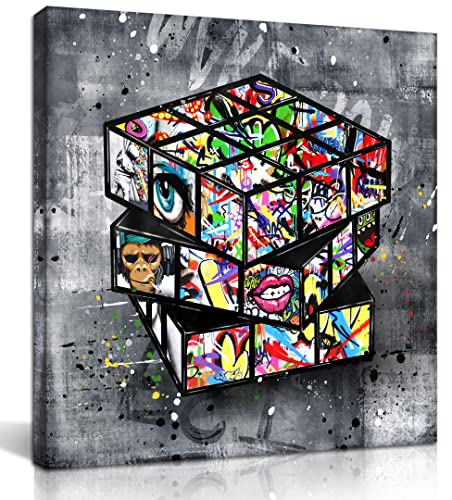
【CANVAS WALL ART SIZE】 Size is 14"x14" banksy graffiti canvas wall art

Nail the Scale: Size Your Art to Your Wall and Furniture
How often have you brought home a piece you loved, only to hang it and realize it looks puny or swallows the whole room? You’re not alone. Getting the scale right transforms how your wall art feels in a space.
Treat your art like it belongs to your furniture, not just your wall. You’ll want your piece to cover two-thirds to three-quarters of the open wall space above whatever sits below it. Got a 230 cm sofa? Aim for art between 150 and 190 cm wide, and hang it about 6 inches above.
Don’t let one massive piece dominate every wall. Instead, build a gallery wall mixing sizes and orientations. Stack two smaller works when you can’t splurge on one statement. Keep viewing height at eye level and match vertical or horizontal placement to your room’s flow.
Recommended Products

Forest River Wall Art Size:Each canvas panel is 20"x40" (50 cm x 100 cm);Forest river landscape painting wall art decor provides aesthetic decoration for your room

Wall art per set size:20inch x 40inch x 1pcs(50cm x 100cm x 1pcs),2cm Thick Frame, Waterproof Artwork

【Abstract Green Gray Pastel】The decorative paintings feature a abstract style design with green and beige as the primary tones. They skillfully integrate elements of sky and lake to create a fresh and retro aesthetic.
Pick a Layout Style: Statement Piece, Grid, or Full Gallery
Full gallery walls tell your story. Start with an anchor, frame it with mid-sized wall art, and sprinkle in small prints or mirrors. Mix sizes and orientations to dodge that sterile museum vibe.
Nail color coordination across pieces, and always measure your wall space against furniture to avoid visual overload.
Recommended Products

Large Framed Wall Art: This rustic canvas comes with a classic gold frame. Available in 16x32in, 20x40in and 24x48in.

Premium Hd Giclee Print Technology This coastal beach wall decor is produced with high-definition giclee printing on durable waterproof canvas. Crisp details of clear blue sea, foamy surf and soft white clouds are truly presented, fade-proof ink retains bright color for long-time indoor use.

Perfect Size Wall Decor: This mountain landscape wall art measures 40X20in making it an ideal focal point for living rooms, bedrooms, offices, hallways, or above a sofa or bed.
Find Good Wall Art Without Gallery Prices
Once you’ve mapped out your layout, the real hunt begins. You don’t need deep pockets to find pieces that catch the eye. Affordable options abound if you know where to look. Skip gallery prices by exploring emerging artists at local art fairs, university exhibitions, or online platforms like Instagram and Etsy. You’ll discover original works at prices that won’t wreck your budget.
Museum gift shops offer high-quality print reproductions that look polished when framed. You can also mix and match smaller pieces from flea markets, Facebook Marketplace, or direct artist sales. Combining these in a grid or staggered arrangement builds a gallery wall without one crushing expense. Smart sourcing beats overspending every time.
Recommended Products

Abstract canvas wall art size - This art wall decoration size of about 20x40 inches (50x100 cm) is suitable for a variety of Spaces, living room, bedroom, office, dining room and study to inject artistic soul into the space, bringing fresh and modern feeling.

Abstract wall art Size;20x40inch(50x100cm)Ready to hang,Including accessories for suspension

Modern Abstract Design: These neutral-tone abstract wall art feature a blend of beige, gray, and black hues, offering a contemporary and minimalist aesthetic that complements any interior style
Frame and Color-Coordinate for a Finished Look
Where do you turn once you’ve found the right piece? You frame and color-coordinate your wall art for that finished look.
Start with your frame choice. A minimal black frame suits contemporary works, while ornate frames pair well with oils for contrast. Want vintage vibes without breaking the bank? Grab a brass frame; it reinforces that ambiance and coordinates with wood tones and brass finishes already in your room.
For photographs and prints, you’ll want gallery-quality presentation. A white mat creates that polished, expensive look you’re after. Upgrade to an 8-ply mat for real depth and professional feel on your framed prints.
Match your finishes to existing hardware and fixtures. This pulls the room together without trying too hard. Smart framing transforms affordable pieces into statement art.
Recommended Products

【Iconic Van Gogh Artwork】Featuring Vincent van Gogh’s classic Skull with Burning Cigarette, this edgy piece captures the artist’s bold brushwork and moody tone, blending dark academia and vintage art vibes.


Vintage Western Wall Art: Featuring a retro inspired first rodeo design with a classic bronco riding graphic, this vintage gold framed wall art brings authentic western character to your space. The nostalgic rodeo theme creates a bold yet rustic accent for living rooms, bedrooms, bathrooms, entryways, offices, dorm rooms, and other western inspired interiors
Put Art Where Walls Don’t Go (Bookshelves, Cabinets, Corners)
Why limit yourself to four walls when your shelves and corners are begging for attention? You can transform bookshelves and cabinets into displays by placing small framed pieces atop surfaces or inside glass panes. Tuck petite prints into corners to soften awkward angles and build layered detail without hammering a single nail.
Try mixing media: combine mirrors, small sculptures, and prints to echo your room’s texture and add real depth. Keep a cohesive color thread running through these arrangements so your shelf display speaks to nearby wall art rather than fighting it.
When you’re styling corners, balance height and weight carefully. You want the look to feel intentional, not like you tripped and dropped your collection there.
Recommended Products

Size: Each canvas panel is 20"x28" (50 cm x 70 cm), total 3 panels; Canvas wall art decor provides aesthetic decoration artwork for your room

[Framed Wall Art]: A set of 3 contemporary large framed abstract nature lake landscape canvas wall art, each with a size of 24" W x 36" H. The total size when the 3 pieces are hung is 36" H x 72" W. Each painting comes with a solid wood frame

SIZE OF WALL ART: The size of canvas wall art is 40"W x 20"H