
You’re hunting for a coffee table book that’ll survive your friends’ judgment and your own shifting tastes. You’ve got options in 2026: watch lore, national park photography, luxury brand histories, golf pilgrimages, automotive icons, and creative philosophy manifestos.
Some deliver timeless visuals and binding quality. Others coast on name recognition with dated content. The trick is matching solid construction to your actual interests, not just what looks impressive stacked on walnut.
A Man & His Watch: Iconic Watches and Stories from the Men Who Wore Them

Book - a man and his watch: iconic watches and stories from the men who wore them Language: english Binding: hardcover
For the guy who’d rather discuss movement calibers than sports stats, this 216-page hardcover delivers exactly what the title promises: intimate stories about legendary timepieces and the men who strapped them on.
You get 216 pages of firsthand accounts from Workman Publishing and Artisan, released October 31, 2017. The first edition, first printing binds these tales in sturdy hardcover format.
Who This Suits
- Watch collectors craving narrative depth beyond catalog photos
- Gift buyers seeking masculine coffee table appeal without car engine clichés
- Style enthusiasts wanting conversation starters
The Trade-Offs
- No pricing data included; you’re buying stories, not shopping guides
- 216 pages feels lean if you want technical diagrams
- English-only text limits some international collectors
Bottom Line
You pay for craftsmanship here, both in binding and content. The focus stays tight: iconic watches, wearer stories, nothing extra. For men who’d rather know why Paul Newman chose his Daytona than read another sports biography, this earns its spot. Skip it if you want repair manuals or investment advice.
Best For: Watch collectors and style enthusiasts who value personal narratives and historical context over technical specifications and investment guidance.
Pros:
- Firsthand stories from iconic watch wearers provide narrative depth beyond typical catalog photography
- High-quality hardcover binding from established publishers Workman Publishing and Artisan suits coffee table display
- Tight thematic focus on legendary timepieces and their owners delivers exactly what the title promises without filler content
Cons:
- No pricing data or technical diagrams limits utility for buyers seeking shopping or repair guidance
- 216-page length may feel insufficient for readers wanting comprehensive technical detail
- English-only text restricts accessibility for international collectors who don’t read English fluently
Recommended Products

Book - a man and his watch: iconic watches and stories from the men who wore them
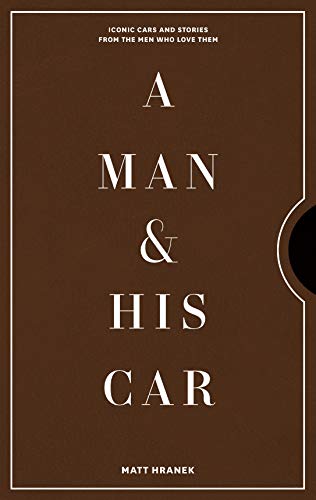
Destinations of a Lifetime: 225 of the World’s Most Amazing Places
Where do you dream of going when the workweek drags on?
*Destinations of a Lifetime* delivers 225 answers, packed into 320 hardcover pages that practically beg for lazy Sunday browsing.
National Geographic built this 2015 release for wanderers stuck at home. You get 250 color photographs spanning ancient temples, remote islands, and city skylines. The hardcover binding survives coffee spills and repeated flipping.
Who needs this: Men who travel rarely but plan constantly. The photos spark conversation; the descriptions fuel bucket lists. No deep history here, just visual escape.
The catch: Some destinations feel obvious (Paris, Tokyo). The 2015 publication date means a few spots have changed. You won’t find budget tips or booking advice.
Verdict: Buy it used or discounted. It beats scrolling Instagram, and guests actually pick it up. For dedicated travelers, newer guides offer more practical help. For dreamers, this works fine.
Best For: Men who travel rarely but plan constantly, seeking visual inspiration and conversation starters rather than practical travel guidance.
Pros:
- 250 high-quality color photographs provide striking visual escape for armchair travelers
- Hardcover binding is durable enough to withstand frequent browsing and coffee table use
- Sparks meaningful conversation and fuels aspirational bucket lists better than social media scrolling
Cons:
- Includes obvious, well-trodden destinations like Paris and Tokyo that lack novelty
- 2015 publication date means some destination information is outdated
- Contains no practical travel elements such as budget tips, booking advice, or deep historical context
Recommended Products


USA National Parks: Lands of Wonder
comprehensive coverage of every major park system, ecosystem breakdowns that don’t bore you, and conservation context that matters. It’s field guide meets art book, practical without being dry.
Who needs this? You, if weekend camping trips fuel your sanity but desk jobs pay your bills. The white cover shows dirt fast, so you’ll shelve it strategically.
At ninth-grade reading level, anyone can dive in.
Bottom line: You want armchair exploration with trip-planning utility. This delivers both without the fluff.
Best For: Weekend campers and desk-bound adventurers seeking an accessible, visually striking guide to US national parks that balances practical trip planning with armchair exploration.
Pros:
- Comprehensive yet engaging coverage of ecosystems and conservation without dry academic prose
- Striking photography and design that elevates it above typical field guides
- Ninth-grade reading level makes it accessible to a wide audience
Cons:
- White cover shows dirt and wear quickly, requiring careful handling
- 256 pages may limit depth on individual parks compared to dedicated single-park guides
- Hardcover format adds bulk for actual field use versus trail-ready flexibility
Recommended Products


The Creative Act: A Way of Being
Who’s this for? You’re the guy who wants creativity without the fluff, someone who’d rather hear Rick Rubin’s wisdom than read it on a shelf.
This Audible unabridged audiobook from Penguin Audio drops January 17, 2023. You get Rubin’s decades producing legends, distilled into practical philosophy. No coffee table required, actually, it’s digital, but you’ll want the physical companion anyway.
Why it works: Rubin doesn’t preach technique. He dismantles fear, expectation, and ego, the real killers of good work. You’ll listen during commutes, workouts, late-night drives when you’re stuck.
The catch: It’s an audiobook first. The print version exists, but you’re buying the Audible edition for Rubin’s voice, that calm, bearded presence guiding you through resistance.
Bottom line: At roughly 5-6 hours, it’s dense but digestible. You won’t finish transformed, you’ll finish recognizing your own blocks.
For men who create anything, code, carpentry, contracts, this reframes the struggle.
Skip it if you want step-by-step tutorials. Grab it when you’re ready to stop making excuses and start making things.
Best For: Men who create anything—code, carpentry, contracts—who want to dismantle fear, expectation, and ego to stop making excuses and start making things.
Pros:
- Rick Rubin’s calm, authoritative voice delivers decades of producing wisdom directly, making commutes, workouts, and late-night drives productive for creative unblocking
- Practical philosophy over preachy technique, focusing on the psychological barriers (fear, ego, resistance) that actually kill good work
- Dense but digestible at 5-6 hours, leaving you recognizing your own blocks rather than overwhelmed
Cons:
- Not for those wanting step-by-step tutorials or technical how-to instruction
- Digital-only format may disappoint those who want a physical reference; you’ll likely end up buying the print companion anyway
- Requires existing creative practice to apply—won’t transform complete beginners who aren’t already making something
Recommended Products

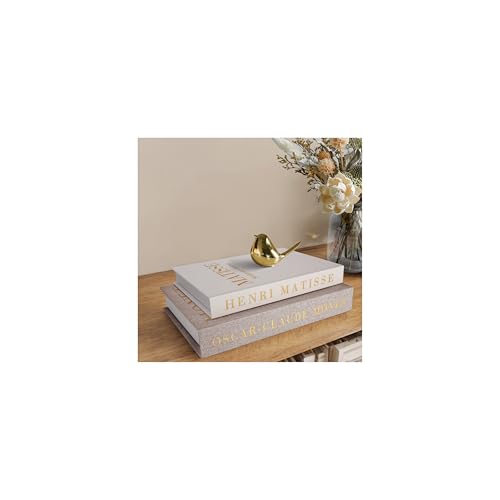
【Elegant Linen Decorative Books】 Featuring a neutral linen cover and realistic hardcover book style, these decorative books add a refined look to coffee tables, shelves, desks, and office spaces.

NEUTRAL HOME DECOR – Our premium decorative books for coffee table decor set feature neutral color tones like white and gray to blend in seamlessly with your existing aesthetic room decor. Perfect for subtle styling for that modern home decor finish.
Tom Ford
What’s the weight of true influence? You’ll feel it when you lift this 414-page Rizzoli hardcover. Tom Ford’s 2004 monograph isn’t light, and neither is its impact on fashion, film, and modern masculinity.
Why it earns your shelf space
You get 14 years of Ford’s revolutionary work at Gucci and Yves Saint Laurent, plus his early solo ventures. The black binding looks expensive because it is. At roughly 8 pounds, this isn’t casual browsing, it’s a statement.
The honest drawbacks
The 2004 publication date means you’re missing his film director era and recent collections. Some spreads feel more vanity project than cultural documentation. You won’t find deep critical analysis here.
Who needs this
You appreciate luxury branding as craft. You want guests to know you understand fashion history without saying it aloud.
Bottom line
Buy it used if you’re budget-conscious, new if you’re gifting. Either way, you’ll display it more than you’ll read it, and that’s exactly the point.
Best For: Fashion enthusiasts and design-conscious individuals who value luxury branding as craft and want a statement piece that signals their understanding of fashion history.
Pros:
- Comprehensive visual documentation of 14 years of Tom Ford’s revolutionary work at Gucci and Yves Saint Laurent plus early solo ventures
- Premium black hardcover binding that serves as an expensive-looking display piece
- Substantial 414-page format with roughly 8-pound weight that conveys authority and permanence
Cons:
- 2004 publication date excludes his film director era and recent collections
- Some spreads prioritize vanity over meaningful cultural documentation
- Lacks deep critical analysis of Ford’s work and influence
Recommended Products

Elevate your mantle decor with our elegant decoration books, adding charm to any space. These premium decorative book sets are perfectly sized to create stunning displays instantly, but without the expensive price tag


Booze & Vinyl: A Spirited Guide to Great Music and Mixed Drinks
You crack open this 2018 hardcover from Running Press Adult and immediately see it isn’t pretending to be high art. The illustrations pop, the recipes work, and the music pairings actually make sense. You’re hosting friends, dropping a needle on some Coltrane, and mixing a drink that fits the vibe. That’s the whole point.
What You’re Getting
- 224 illustrated pages covering booze history, drink recipes, and music connections
- Visual-heavy design that earns its coffee table spot
- Practical pairings organized by era, genre, and artist mood
Who Needs This
You own a record player and actually use it. You’ve got a small home bar, not a full setup. You want conversation starters for guests who care about both sound and spirits. This isn’t for cocktail snobs who sneer at simple recipes or vinyl collectors who treat albums like museum pieces.
The Catch
Published in 2018, so newer artists and trendy spirits won’t appear. Some pairings feel forced if you don’t already like the music. The illustrated format means less depth than dedicated drink or music books.
Bottom Line
Gift it to the guy who judges you for your Spotify algorithm.
Best For: Casual hosts who own a record player and want conversation-starting drink pairings without pretension.
Pros:
- Visually striking illustrated design that works as a coffee table book
- Practical, era-based pairings that genuinely enhance listening sessions
- Accessible recipes that don’t require professional bar equipment
Cons:
- 2018 publication date means no contemporary artists or spirits
- Some music-drink connections feel arbitrary without prior affinity for the artist
- Illustrated format sacrifices depth found in dedicated cocktail or music reference books
Recommended Products

Height: 10.25in / 26cm, Width: 13.5in / 34cm


Architectural Digest at 100: A Century of Iconic Design
This one’s for guys who’d rather study floor plans than watch football, and that’s not a bad thing. *Architectural Digest at 100* drops 464 pages of celebrity homes and iconic designers right onto your coffee table.
You’ll lose entire weekends tracing how American taste evolved from 1920s glamour to today’s minimalist excess. Abrams Books built this hardcover like a brick, published back in 2019 but still relevant.
You’re getting archive-driven content: rare photos of Elton John’s Atlanta penthouse, Frank Gehry’s early experiments, rooms that scream old money and new. The century-long scope means some sections feel dated, but that’s the point. You’re watching design history unfold.
Who it’s for: You own a level and secretly judge your friends’ lighting choices.
The catch: At 464 pages, it’s heavy. Your cheap IKEA table might warp.
Verdict: Buy it used. Display it spine-out; it does the work for you.
Best For: Design enthusiasts who appreciate architectural history and enjoy studying the evolution of American interior aesthetics through rare celebrity home photography.
Pros:
- Archive-driven content featuring rare photos of iconic residences like Elton John’s Atlanta penthouse and Frank Gehry’s early experiments
- Century-long scope provides genuine historical perspective on shifting design trends from 1920s glamour to contemporary minimalism
- Substantial 464-page hardcover construction that serves as both reference material and impressive display piece
Cons:
- Physical weight at 464 pages may strain or damage lightweight furniture
- Some sections feel dated due to the historical scope, which may frustrate readers seeking only contemporary inspiration
Recommended Products


Louis Vuitton: The Birth of Modern Luxury: Updated Edition

Five hundred sixty pages of leather-bound history make this the definitive choice for guys who’d rather study branding than binge another streaming series. You’ll trace how a trunk-maker built modern luxury from scratch, watching logos evolve from practical markings into status symbols worth billions.
Abrams Books published this illustrated hardcover in 2012, but don’t let the date fool you. The strategies inside remain razor-sharp: monogram psychology, scarcity tactics, celebrity partnerships. You see how Vuitton turned luggage into desire itself.
The visuals dominate here. Full-page archival photos show 19th-century craftsmanship alongside contemporary campaigns. Text stays accessible, never drowning in business jargon.
Drawback: At 560 pages, this demands commitment. It is not a quick flip-through.
Ideal for entrepreneurs, marketing students, or anyone who treats shopping as anthropology. Place it where guests notice, let conversations start themselves.
Best For: Entrepreneurs, marketing students, and anyone interested in the anthropology of luxury branding who wants to study how Louis Vuitton built a modern luxury empire from its origins as a trunk-maker.
Pros:
- Comprehensive visual presentation with full-page archival photos showing 19th-century craftsmanship alongside contemporary campaigns
- Accessible writing style that explains branding strategies without drowning in business jargon
- Covers timeless, razor-sharp marketing tactics including monogram psychology, scarcity tactics, and celebrity partnerships
Cons:
- Requires significant time commitment at 560 pages, not suited for casual browsing
- Published in 2012, so lacks coverage of more recent brand developments
- Leather-bound hardcover format makes it less portable than digital alternatives
Recommended Products

STACKABLE DECORATIVE BOOKS FOR STYLISH SPACES: Turn any space into a curated interior with this set of 3 neutral-toned decorative books. Designed to be stacked or displayed individually, they effortlessly elevate coffee tables, consoles, and shelves with travel-inspired charm.


REAL LINEN HARDCOVER WITH JOURNAL QUALITY — Bound in premium textured linen cloth with authentic heft and genuine hardcover construction. Each book features crisp, unlined interior pages and a ribbon bookmark, not hollow inside.
Fifty Places to Play Golf Before You Die
This 224-page hardcover from Abrams Books gathers golf experts who’ve actually walked these fairways. You’ll find St. Andrews, Pebble Beach, and hidden gems you’ve never heard of. The photography makes you feel the coastal wind, the mountain air.
It’s a 2005 first edition, but destinations like these don’t go stale. At 224 pages, it’s substantial without hogging your table. Same-day dispatch if you order before noon, guaranteed packaging, no-quibble returns. The binding holds up to repeated browsing.
Ideal for: Golfers who’d rather plan trips than practice putting. Not for: Instruction seekers or budget travelers.
Verdict: Buy it for the escape, not the swing tips.
Best For: Golfers who’d rather plan trips than practice putting.
Pros:
- Expert-curated destinations including both famous courses and hidden gems
- Immersive photography that captures the atmosphere of each location
- Durable hardcover binding that withstands repeated browsing
Cons:
- Not suitable for golfers seeking instruction or swing tips
- Expensive courses featured may be inaccessible to budget travelers
- 2005 publication date means some information may be outdated
Recommended Products

Sophisticated Room Accent: Enhance your home with Maplefield's XL Travel-Themed Blank Book Set, a luxurious collection for coffee table book decor and bookshelf decor. These decorative books transform any room into a vibrant display of elegance and style

Porsche 911: 50 Years
What car commands respect from mechanics, collectors, and randos at gas stations alike? You already know: the Porsche 911. This 256-page hardcover from Motorbooks tracks five decades of evolution, from early air-cooled classics to modern water-cooled rockets.
You get illustrated spreads showing design milestones, racing pedigree, and engineering changes that kept the rear-engine layout alive when everyone called it dead. The 2013 publication date means you’ll miss the last fourteen years, including the electric revolution. For purists, that’s fine. For completists, you’ll need a second book.
At roughly coffee-table dimensions, this sits heavy in your hands. The binding holds up to repeated flipping. You don’t need to own a 911 to appreciate it, but you’ll want one after page fifty.
Ideal for garage offices, man caves, or gifting your gearhead uncle. Skip it if you want current models; grab it for heritage that still matters.
Best For: Porsche enthusiasts, automotive history buffs, and collectors seeking a comprehensive visual retrospective of the 911’s first fifty years.
Pros:
- Lavish illustrated spreads covering five decades of design evolution and racing heritage
- Durable hardcover binding built for repeated browsing and display
- Captures the engineering story of the controversial rear-engine layout’s survival
Cons:
- Published in 2013, missing fourteen years of recent developments including electric models
- Coffee-table dimensions make it heavy and less portable
- Not suitable for readers wanting coverage of current 911 generations
Recommended Products


Height: 13.75in / 35cm, Depth: 2in / 5cm, Width: 10.25in / 26cm
Factors to Consider When Choosing Coffee Table Books for Men
When you’re picking out a coffee table book, you need to weigh visual appeal and design against whether the subject actually matters to you, because a gorgeous book about ballet won’t cut it if you’re into muscle cars.
Size and weight matter more than you’d think: a massive tome looks impressive but you’ll curse it when you’re trying to use that table for, well, coffee. Don’t skimp on binding quality and durability, since cheap glue and flimsy covers turn your investment into trash within a year.
Always balance price against real value rather than just grabbing whatever’s on sale.
Visual Appeal and Design
Why settle for a book that blends into the background when you can grab one that commands attention the second someone walks into your room? You want high-contrast, large-format images printed on quality, glossy paper that draw the eye from across the room. Look for illustrated editions with full-color photography and clean typography that don’t feel cluttered.
Hardcover bindings give you that premium feel and hold up to frequent flipping. Check for design variety: editorial grids, full-bleed spreads, captions, and inset detail shots keep your eyes moving. Most importantly, you’ll want visual cohesion, a consistent color palette and layout rhythm that actually complements your space instead of clashing with it.
Subject Matter Relevance
Narrow beats scattered every time. You’ll want books that zero in on specific passions: engineering marvels, vintage roadsters, brutalist architecture, or legendary sports moments. A tight theme transforms a book from clutter into a conversation starter.
Pick volumes packed with striking visuals: large-format photography and rich illustrations grab attention fast. You don’t need dense text; sharp captions and concise essays let guests browse without commitment.
Look for content with staying power: archival design histories, century-old brands, or curated destination lists that won’t feel dated by next year. This provenance signals authority and keeps the book relevant long-term.
Balance matters too. Deep dives work, but you’ll get more mileage when breadth meets visual punch. Choose subjects you’d actually discuss, and your coffee table becomes truly engaging rather than performative.
Book Size and Weight
How much heft are you willing to wrestle with? Coffee table books typically run 200 to 320 pages and weigh 2 to 6 pounds, so you’ll feel every ounce when you flip through them. Larger illustrated editions measure 9 to 12 inches tall and 12 to 14 inches wide, eating serious shelf space and dominating your table’s footprint.
Heavier titles, 3 to 5 pounds, demand sturdy coasters or reinforced surfaces unless you want scratches and wobbles. Multi-volume sets or image-heavy monsters can exceed 2.5 inches thick, complicating your stacking game and display flow.
Check the spine construction too: evenly bound books balance better when you’re layering multiple volumes together. Pick dimensions that fit your space and weight you can actually handle.
Binding Quality and Durability
You’ve sized up the heft and dimensions, but none of that matters if the book falls apart in your hands. Hardcover bindings give you serious protection against daily abuse, shrugging off coffee spills and careless guests far better than flimsy softcovers ever could.
Check how the pages attach to the spine. Sewn signatures, where folded page groups get stitched together, outlast glued bindings that crack and shed pages after a few years. Look for dust jackets or reinforced corners; they guard edges when you’re stacking or shifting books around.
Heavier paper stock with laminate coating resists fingerprints and scuffs in high-traffic spots. Don’t ignore the hinges. Reinforced endpapers keep everything tight after repeated browsing. You’re investing in something that’ll sit open for hours; construction quality determines whether it survives the decade or dies young.
Price and Value
Some coffee table books cost as much as a nice dinner; others run you less than a paperback. You need to gauge real value, not just sticker shock.
Compare price per page: a 256-to-464-page hardcover typically beats shorter illustrated volumes on cost-to-content ratio. Weigh edition quality too; first or updated illustrated editions hold resale value and last longer.
Balance what you pay against visual payoff. Color photography and rich illustration justify higher prices when the book anchors your living room.
Check publication dates carefully. New releases showcase current design trends, but older craft-focused editions offer rarity and staying power.
Finally, look for bundled content. Volumes mixing biography, design archives, and photo essays give you more display mileage than single-topic books. You are buying presence, not just pages.