You’re hunting for coffee table books that won’t embarrass you by 2026, and the market’s flooded with pretty dust jackets hiding flimsy bindings.
I’ve spent months stacking, unstacking, and actually opening these things, so here’s what holds up: five titles that balance shelf presence with substance, plus the honest truth about who should buy them and when to walk away.
In Vogue: Illustrated History of Famous Fashion Magazine

This 444-page hardcover from Rizzoli, published in 2012, delivers serious visual storytelling. You’re getting decades of editorial milestones, iconic covers, and fashion photography that shaped how we dress. The multicolor illustrations pop, and the binding holds up to repeated browsing.
Who’s it for? You, if you love fashion history or need conversation starters for guests. Drawbacks: it’s heavy, and some spreads feel cramped. Skip it if you want deep critical analysis; this celebrates, not interrogates.
Best For: Fashion history enthusiasts and design-minded hosts seeking a visually striking coffee table book that sparks conversation.
Pros:
- Stunning multicolor illustrations and decades of iconic photography
- Durable hardcover binding designed for repeated browsing
- Strong shelf appeal and vintage collectibility
Cons:
- Heavy and cumbersome to handle
- Some layouts feel cramped with overcrowded spreads
- Lacks deep critical analysis; purely celebratory tone
Recommended Products


Walk With Me: New York: Photographic Urban Stroll

You flip through this 2022 Abrams Image hardcover and find subway commuters, corner bodegas, rain-slicked streets. No tourist traps here, just visual poetry from daily life.
The 176 pages feel intimate, like borrowing a local’s photo album.
Who Buys This
Street photography fans, New York transplants craving authenticity, anyone tired of glossy Manhattan clichés.
The Catch
Purists might want deeper photographer credits or neighborhood maps. You get atmosphere, not context.
Verdict
Buy if you value spontaneity over polish. Skip if you need captions explaining every shot. This book rewards repeat browsing, not one-time reading.
Best For: Street photography enthusiasts and urban life appreciators seeking authentic, unpolished glimpses of daily New York life beyond tourist clichés.
Pros:
- Candid, serendipitous imagery that captures genuine urban poetry and everyday moments
- Intimate, visual diary format that rewards repeat browsing and discovery
- Hardcover presentation with 176 pages of dedicated New York street photography
Cons:
- Lack of detailed photographer credits or contextual information for purists
- No neighborhood maps or captions explaining individual shots
Recommended Products


Patterns of Portugal: Colors, History, Tiles, and Architecture

You’ll flip through multicolor spreads of azulejos, those painted tin-glazed tiles covering Portuguese churches, train stations, and random alleyways. The book connects patterns to history without getting academic. You see how Moorish influences bled into Manueline excess, then into modern minimalism.
It’s niche. If you don’t care about Mediterranean design, you’ll hate it. The binding feels sturdy, the photography pops, but there’s no narrative thread, just visual candy. Perfect for: design nerds, Portugal travelers, or anyone whose walls feel empty. Skip if you need words with your pictures.
Best For: Design enthusiasts, travelers to Portugal, and anyone seeking visual inspiration for interior decor who appreciates Mediterranean architectural heritage.
Pros:
- Stunning multicolor photography showcasing intricate azulejo tilework and Portuguese design traditions
- Sturdy hardcover binding that holds up well as a coffee table book
- Accessible historical context that connects patterns to cultural influences without becoming overly academic
Cons:
- No strong narrative thread connecting the spreads together
- Minimal text may leave readers wanting more substantial written content
- Extremely niche appeal that will disappoint those uninterested in Mediterranean design or visual-heavy books
Recommended Products

Height: 13.75in / 35cm, Depth: 2in / 5cm, Width: 10.25in / 26cm
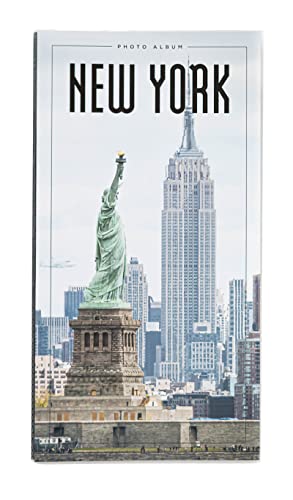
Design - Our premium quality small photo album have soft cover that is sturdy and durable to last for years to come. Your pictures and memories will be preserved in this lovely photo album featuring beautiful design. New York is always a good idea!

Joie: A Parisian’s Guide to Celebrating the Good Life
The book excels at concrete, stealable habits: how to build a proper aperitif hour, why flowers deserve weekly attention, which playlists suit which household tasks.
You’ll find 272 pages of hardcover guidance from Clarkson Potter, published in 2023 with a calming sky-blue cover that photographs beautifully on any surface.
This isn’t deep philosophy; it’s practical ritual-building for people who want more pleasure in ordinary moments. The etiquette tips might feel stuffy if you’re casual, but the mood-enhancing suggestions work even for beginners.
You won’t get budget travel hacks or recipes here. Instead, you’ll learn how Parisians structure joy into Tuesdays.
Buy this if you need permission to slow down. Skip it if you want gritty memoir or visual-heavy photography. At 99 words, that’s your verdict: accessible, occasionally precious, genuinely useful for the chronically rushed.
Best For: People seeking practical, Parisian-inspired rituals to bring more pleasure and intentionality into their everyday routines.
Pros:
- Offers concrete, stealable habits like building a proper aperitif hour and weekly flower rituals that are easy to implement
- Provides mood-enhancing, practical guidance rather than abstract philosophy
- Features a beautifully designed hardcover with a calming sky-blue aesthetic
Cons:
- Etiquette tips may feel stuffy or overly formal for casual readers
- Lacks budget travel hacks or recipes that some readers might expect
- Not suited for those wanting gritty memoir or visual-heavy photography content
Recommended Products


Fveuc Vintage Faux Book Box Set of 3
Each title in the Fveuc Vintage Faux Book Box Set hides a secret: hollow cores with magnetic closures transform three decorative props into stealth storage. You’ll appreciate the graduated sizing, 10.62 inches down to 8.66 inches, letting you stack or spread these linen-bound fakes across shelves.
Gold-foil names like Van Gogh lend borrowed sophistication without the pretension.
They’re lightweight, vegan-friendly, and ready to hide remotes, passports, or jewelry. The magnetic seals feel satisfyingly snug.
But don’t expect heavy-duty security, these are display pieces first, safes second. The fabric shows dust, and the hollow construction limits weight capacity.
Best for farmhouse lovers craving organized clutter. Skip if you need actual literature.
Best For: Farmhouse-style home decorators seeking stylish, graduated storage pieces that double as secret compartments for small items like remotes and jewelry.
Pros:
- Magnetic closures provide satisfying, seamless access to hidden storage compartments
- Three graduated sizes enable versatile stacking and shelf-styling arrangements
- Linen fabric with gold-foil artist names delivers premium vintage aesthetic
Cons:
- Fabric surface readily shows dust and requires regular maintenance
- Hollow construction limits weight capacity for heavier stored items
- No actual security features—easily opened, not suitable for valuable protection
Recommended Products

Elevate your mantle decor with our elegant decoration books, adding charm to any space. These premium decorative book sets are perfectly sized to create stunning displays instantly, but without the expensive price tag

Factors to Consider When Choosing Vintage Coffee Table Books

You’ll want to weigh several practical factors before bringing any vintage book home. Start with how its aesthetic visual appeal and color palette harmony actually look in your space rather than in photos. Check the size and dimensions against your table, because a book that’s too small gets lost while one that’s too large dominates the room.
Finally, inspect the binding and condition carefully, and make sure the subject matter relevance matches your interests, not just your décor, since you’ll be stuck with this conversation starter for years.
Recommended Products


Aesthetic Visual Appeal
How do you make a stack of old books actually pull a room together? You’ll want to hunt for cohesive color palettes, textures, and finishes that vibe with your existing decor, think warm linen tones or pale blue bindings that quietly complement your space.
Rich imagery matters. Illustrated histories or gritty street photography grab attention and set the mood, whether you’re after cozy nostalgia or urban edge. Look for decorative touches like gold-foil text or archival prints, they add tactile quality and catch light beautifully.
The smartest collections balance color, pattern, and material. Mix hardcovers with vivid imagery against uniform spine colors for harmony. You’re building a visual anchor, not clutter. Choose books that feel intentional, and your coffee table becomes the room’s quiet centerpiece.
Size and Dimensions
Where exactly do you plan to put these books? Measure your coffee table first, because a 12-inch wide surface won’t handle a 15-inch art tome gracefully. You’ll want to check height and width against nearby objects like vases or candles so nothing fights for attention.
Pay attention to page count and binding type. Those chunky 288 to 444-page volumes weigh more than standard hardcovers, and you’ll feel it when you lift them. Compare listed dimensions, large, medium, small, to guess how many books fit without cluttering your surface.
For decorative sets, watch the depth. Box-set or faux-book options vary in thickness and can throw off shelf balance. Finally, match color and binding to your table finish. Visual harmony matters, especially from across the room.
Subject Matter Relevance
Why settle for a book that just looks pretty when you can pick one that actually means something to you? You want vintage coffee table books that match your actual interests, not just random shelf fillers. Look for themes that complement what you already own: fashion history beside your wardrobe, urban photography near your city maps, or Parisian lifestyle pieces paired with travel memories.
Seek out books with real historical or cultural depth. Illustrated histories and architectural surveys give you something to actually discuss with guests, not just flip through silently. High-quality photograph reproduction matters; blurry plates defeat the purpose of display.
Consider the book’s focus carefully. A tight study of tile patterns sparks different conversations than sweeping city life surveys. Choose subjects that fit your room’s aesthetic and your personality.
Binding and Condition
Once you’ve locked in a subject that actually matters to you, it’s time to get physical, because a vintage coffee table book lives or dies by its bones. Hardcover bindings are your best bet; they protect those gorgeous illustrations through years of heavy flipping.
You’ll want to check the spine for creases and grab a copy with its dust jacket still intact. That wrapper seriously boosts resale value if you ever tire of it.
Size matters too: oversized formats look impressive but can wobble dangerously during parties. Test the weight; you don’t want guests struggling to lift it.
Flip through pages yourself, hunting for loose signatures or torn plates. A tight binding means this book survives actual coffee table duty, not just shelf decoration.
Color Palette Harmony
How do you keep a stack of vintage books from looking like a garage sale grab bag? You start with color palette harmony. Pick books whose covers echo your room’s existing tones: muted earth colors, soft blues, creams, or sharp black and white. These choices blend instead of clash.
Got a multicolor edition? Use it as an accent only if its dominant shades match your furniture or textiles. Warm neutrals with vintage textures, linen, leather, or aged paper looks, slip naturally into traditional or rustic spaces.
When you stack, alternate spine colors to build visual rhythm and skip clustering saturated hues together. Pair one bold volume with lighter neighbors to create a focal point without overwhelming the eye.
Historical Time Period
When you pick up a vintage coffee table book, you’re not just grabbing decoration. You’re choosing a slice of history that’ll sit in your living room and start conversations. You’ll want to match the era to your taste. Mid-century fashion volumes, Art Deco collections, or postwar photography each carry distinct design DNA in their typography and printing. Older books get you closer to the original moment, their binding and paper stock revealing authentic textures you can’t fake.
Watch out for reproductions that mash timelines together. Check whether the narrative flows chronologically or jumps thematically. The right period piece doesn’t just look good open on your table. It feels right in your hands, its aged pages and color fidelity telling stories newer books simply can’t replicate.
Authentic Vintage Sourcing
Knowing your era means nothing if the book’s a fake. You need to verify provenance, seller history, and any certificates of origin before you buy. Check edition details like publication year and printing press; these determine rarity and demand.
Inspect the physical condition yourself: spine splits, loose pages, moisture stains, or color fading will tank both value and display appeal. Watch out for reproductions and rebinds that mimic originals. Request close-up photos of bindings, dust jackets, and page edges to confirm what you’re getting.
Stick with reputable archives, established dealers, or libraries with transparent supply chains. Don’t trust a bargain without documentation. Your coffee table deserves the real thing, not a convincing imposter that falls apart in six months.
Display Versatility
Where exactly will this book live once you’ve brought it home? You’ll want to grab your tape measure first. Check that height, width, and thickness balance your table without swallowing it whole. Look for covers and spines that play nice with minimalist or eclectic setups; you’ll thank yourself during your next redecorate.
Match the subject matter to your other pieces so the whole table tells one cohesive story. Some vintage finds hide hollow compartments or dual-function tricks; that’s bonus storage disguised as art.
Always favor hardbound editions with tough bindings and pages that won’t crumble from frequent flipping. You’re buying a display piece you’ll handle regularly, so durability isn’t optional. Pick smart, and your vintage book becomes a lasting staple.